Hunter's Marlborough Chardonnay 2024
The wine has stone fruit and citrus characters with some white peach undertones. Complex and flinty nose complements the tightly structured palate that shows bright grapefruit and toasted hazelnuts. Good balance from the toasty oak integration that complements the silky texture on the palate. This wine drinks very well on release but will develop and evolve over the next 5–7 years.
At the start of the growing season conditions were dry with some isolated spring frost events. During flowering, cooler temperatures and changeable daytime weather led to a below-average set of berries. Warm days and settled weather followed, resulting in higher-than-average daily temperature. During vintage we had warm days, cool nights and minimal rain, which allowed perfect conditions for the fruit to be picked at optimum ripeness. Although yields were lower than average, the fruit that was there was of excellent quality.
Chardonnay grapes were sourced from the Rapaura and Omaka sub-regions of Marlborough. We have been using the same vineyards for many years, which gives the wine a certain level of consistency. The grapes were picked by machine or hand depending on the block and pressed without sulphur to a stainless-steel vat. The cloudy juice was transferred into 500-litre French oak puncheons for fermentation. Indigenous yeasts were employed for alcoholic fermentation after which 80% malolactic fermentation occurred. The wine was aged in puncheons on yeast lees for 12 months before it was racked off its lees ready for bottling.
Product Information
Product Information
Shipping & Returns
Shipping & Returns

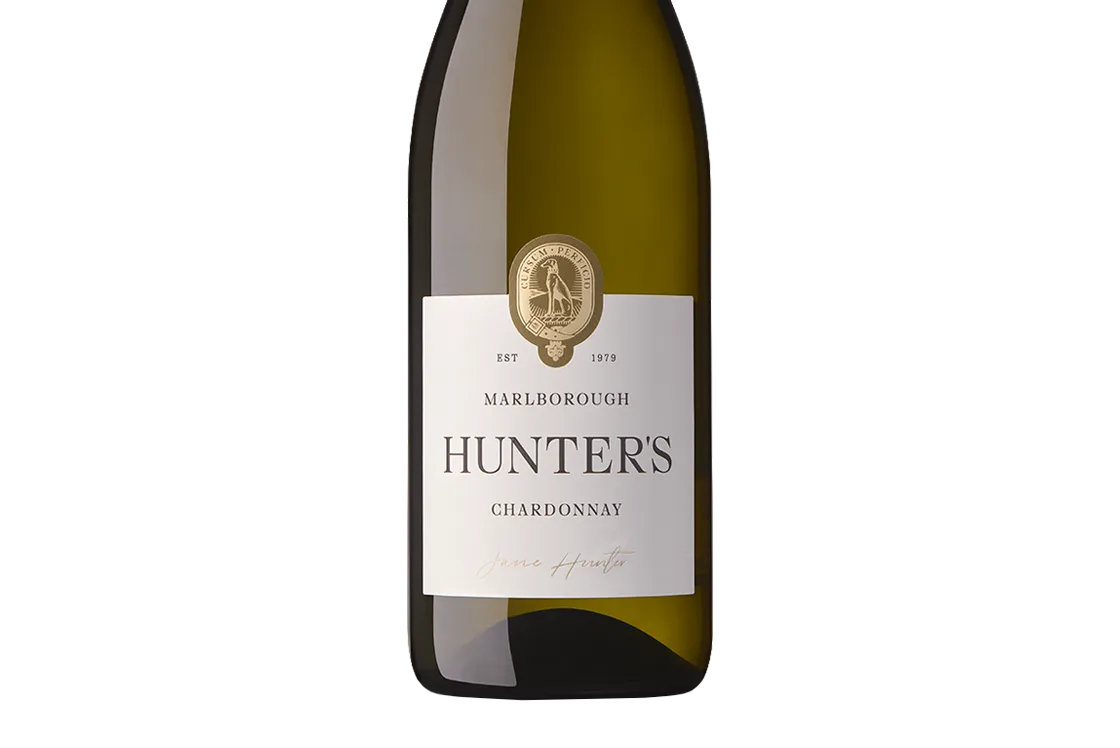
Hunter's Marlborough Chardonnay 2024
Hunter's Marlborough Chardonnay 2024
The wine has stone fruit and citrus characters with some white peach undertones. Complex and flinty nose complements the tightly structured palate that shows bright grapefruit and toasted hazelnuts. Good balance from the toasty oak integration that complements the silky texture on the palate. This wine drinks very well on release but will develop and evolve over the next 5–7 years.
At the start of the growing season conditions were dry with some isolated spring frost events. During flowering, cooler temperatures and changeable daytime weather led to a below-average set of berries. Warm days and settled weather followed, resulting in higher-than-average daily temperature. During vintage we had warm days, cool nights and minimal rain, which allowed perfect conditions for the fruit to be picked at optimum ripeness. Although yields were lower than average, the fruit that was there was of excellent quality.
Chardonnay grapes were sourced from the Rapaura and Omaka sub-regions of Marlborough. We have been using the same vineyards for many years, which gives the wine a certain level of consistency. The grapes were picked by machine or hand depending on the block and pressed without sulphur to a stainless-steel vat. The cloudy juice was transferred into 500-litre French oak puncheons for fermentation. Indigenous yeasts were employed for alcoholic fermentation after which 80% malolactic fermentation occurred. The wine was aged in puncheons on yeast lees for 12 months before it was racked off its lees ready for bottling.
Product Information
Product Information
Shipping & Returns
Shipping & Returns
Description
The wine has stone fruit and citrus characters with some white peach undertones. Complex and flinty nose complements the tightly structured palate that shows bright grapefruit and toasted hazelnuts. Good balance from the toasty oak integration that complements the silky texture on the palate. This wine drinks very well on release but will develop and evolve over the next 5–7 years.
At the start of the growing season conditions were dry with some isolated spring frost events. During flowering, cooler temperatures and changeable daytime weather led to a below-average set of berries. Warm days and settled weather followed, resulting in higher-than-average daily temperature. During vintage we had warm days, cool nights and minimal rain, which allowed perfect conditions for the fruit to be picked at optimum ripeness. Although yields were lower than average, the fruit that was there was of excellent quality.
Chardonnay grapes were sourced from the Rapaura and Omaka sub-regions of Marlborough. We have been using the same vineyards for many years, which gives the wine a certain level of consistency. The grapes were picked by machine or hand depending on the block and pressed without sulphur to a stainless-steel vat. The cloudy juice was transferred into 500-litre French oak puncheons for fermentation. Indigenous yeasts were employed for alcoholic fermentation after which 80% malolactic fermentation occurred. The wine was aged in puncheons on yeast lees for 12 months before it was racked off its lees ready for bottling.