Nanny Goat Central Otago Pinot Noir 2016
The nose is bright and intriguing, with layered red and blue berry fruits, spice, florals, cola, wet earth and bramble. The palate is packed full of red cherries, currants, lightly roasted coffee beans and just a hint of sweet baking spice. A streak of fine acidity paired with a robust yet fine grained tannin structure lifts the palate towards a satisfying finish.
Fruit for the 2016 Nanny Goat Pinot Noir was sourced from three vineyard sites in the Cromwell basin – two in the Pisa sub region one in Bannockburn, complemented by a small parcel from the higher elevation Gibbston Valley sub region. Clones used are 667, 777, 5, Abel, 10/5 113, 114, 115. Soils range fromfree draining loess overlaying glacial alluvial deposits, to heavier clay based soils.
Hand-picked fruit was destemmed and cold soaked for up to 7 days at 6°C before being Fermented using naturally occurring yeasts in open top stainless steel fermenters. Selected ferments received up to 30% whole bunch and up to 32 days total time on skins before pressing. Gently pressed and briefly settled, the wine was then transferred to French oak Barriques (225L) to undergo natural MLF and mature for 8 months before racking and blending. The resulting blend contains approximately 7.5% whole bunch and 15% new French Oak.
Product Information
Product Information
Shipping & Returns
Shipping & Returns
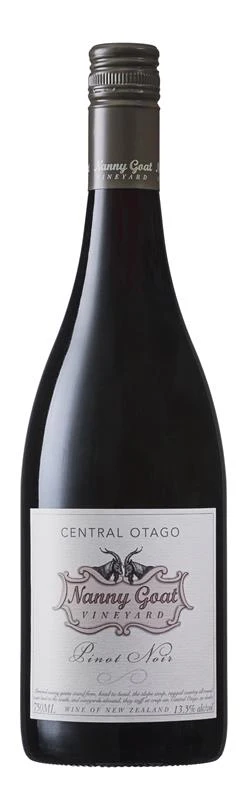
Nanny Goat Central Otago Pinot Noir 2016
Nanny Goat Central Otago Pinot Noir 2016
The nose is bright and intriguing, with layered red and blue berry fruits, spice, florals, cola, wet earth and bramble. The palate is packed full of red cherries, currants, lightly roasted coffee beans and just a hint of sweet baking spice. A streak of fine acidity paired with a robust yet fine grained tannin structure lifts the palate towards a satisfying finish.
Fruit for the 2016 Nanny Goat Pinot Noir was sourced from three vineyard sites in the Cromwell basin – two in the Pisa sub region one in Bannockburn, complemented by a small parcel from the higher elevation Gibbston Valley sub region. Clones used are 667, 777, 5, Abel, 10/5 113, 114, 115. Soils range fromfree draining loess overlaying glacial alluvial deposits, to heavier clay based soils.
Hand-picked fruit was destemmed and cold soaked for up to 7 days at 6°C before being Fermented using naturally occurring yeasts in open top stainless steel fermenters. Selected ferments received up to 30% whole bunch and up to 32 days total time on skins before pressing. Gently pressed and briefly settled, the wine was then transferred to French oak Barriques (225L) to undergo natural MLF and mature for 8 months before racking and blending. The resulting blend contains approximately 7.5% whole bunch and 15% new French Oak.
Original: $89.48
-65%$89.48
$31.32Product Information
Product Information
Shipping & Returns
Shipping & Returns
Description
The nose is bright and intriguing, with layered red and blue berry fruits, spice, florals, cola, wet earth and bramble. The palate is packed full of red cherries, currants, lightly roasted coffee beans and just a hint of sweet baking spice. A streak of fine acidity paired with a robust yet fine grained tannin structure lifts the palate towards a satisfying finish.
Fruit for the 2016 Nanny Goat Pinot Noir was sourced from three vineyard sites in the Cromwell basin – two in the Pisa sub region one in Bannockburn, complemented by a small parcel from the higher elevation Gibbston Valley sub region. Clones used are 667, 777, 5, Abel, 10/5 113, 114, 115. Soils range fromfree draining loess overlaying glacial alluvial deposits, to heavier clay based soils.
Hand-picked fruit was destemmed and cold soaked for up to 7 days at 6°C before being Fermented using naturally occurring yeasts in open top stainless steel fermenters. Selected ferments received up to 30% whole bunch and up to 32 days total time on skins before pressing. Gently pressed and briefly settled, the wine was then transferred to French oak Barriques (225L) to undergo natural MLF and mature for 8 months before racking and blending. The resulting blend contains approximately 7.5% whole bunch and 15% new French Oak.